Food safety still matters after the package is opened. Bologna should remain refrigerated, handled with clean utensils, and used within the storage period stated by the manufacturer. A change in smell, texture, or appearance is a reason to discard it rather than taste it.
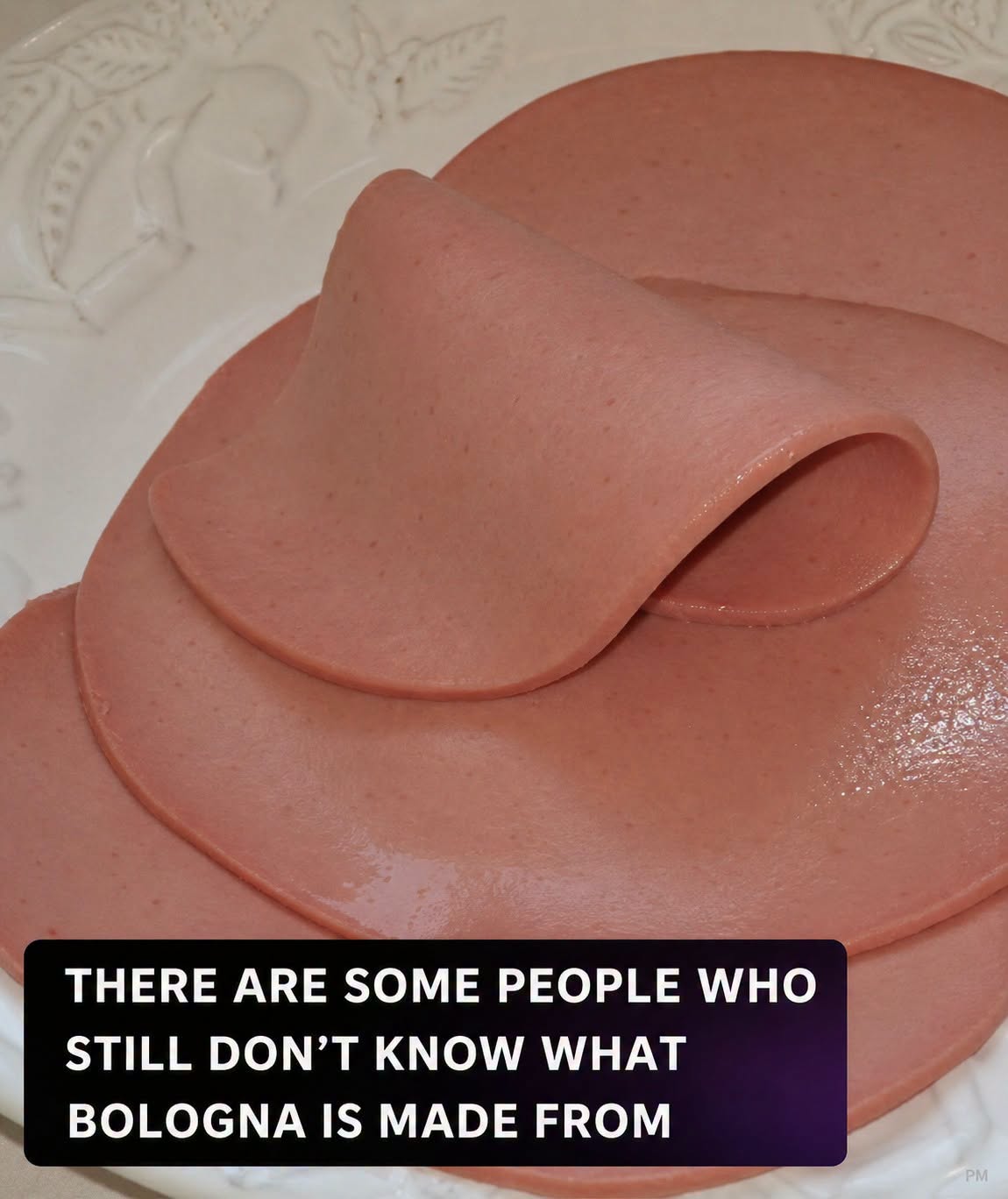
Its reputation comes partly from appearance. A perfectly smooth pink slice reveals very little about the original cuts, which makes rumors easy to believe. Yet the smoothness is the result of fine grinding, emulsification, cooking, and standardized production, not proof that the ingredients are unknowable.
Bologna occupies an unusual place in food history. It began as an echo of a celebrated Italian sausage and became a symbol of the American lunchbox. The industrial version traded mortadella’s visible fat, spices, and artisanal character for uniformity, stability, and affordability.
For some people it remains a childhood comfort food. Others avoid it because they prefer less processed options. Either choice can be informed by the label. The answer to what bologna is made from is not a frightening secret. It is finely ground meat and fat, blended with water and seasonings, cooked into a smooth sausage, and shaped by a long history of convenience.