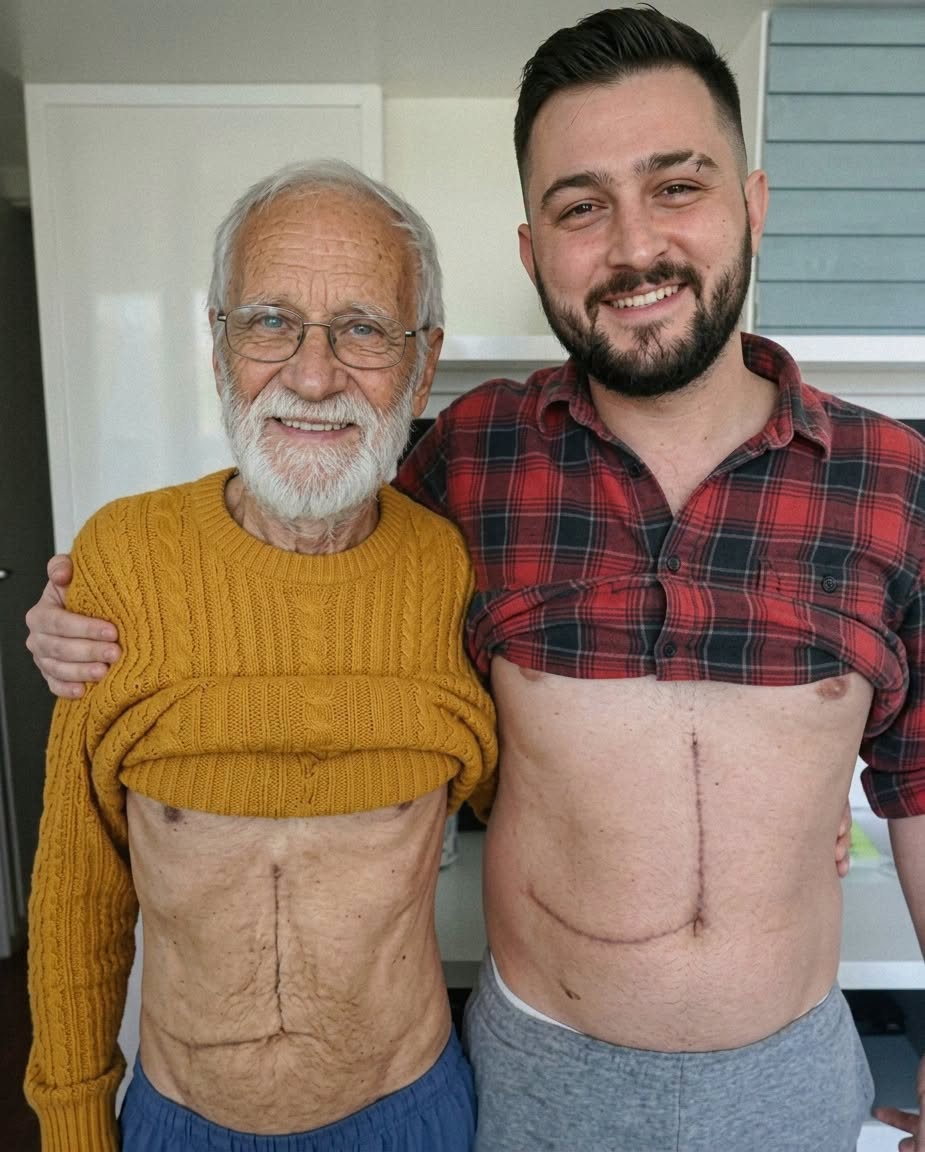
The case also highlighted the need for lifelong support for living donors. Their courage should not make them invisible once the recipient improves. They need careful follow-up, clear information about warning signs, emotional care, and help during the weeks or months when they cannot work normally. Donation is not a single heroic moment; it is a physical and psychological journey.
The son’s decision was rooted in love, not a guarantee. He accepted risk so his father might live, and the family now faced the painful reversal of praying for the donor’s survival. The father could not undo the choice or trade places, but he could honor it by remaining present, following medical advice, and refusing to let guilt replace gratitude.
Behind every successful transplant statistic are two human beings whose futures become connected. This family’s experience does not diminish the value of living donation, but it shows why the risks must be treated with respect. A life-saving gift deserves more than celebration. It deserves complete informed consent, expert care, long-term protection for the donor, and a community willing to stand beside both patients when courage leads into uncertainty.