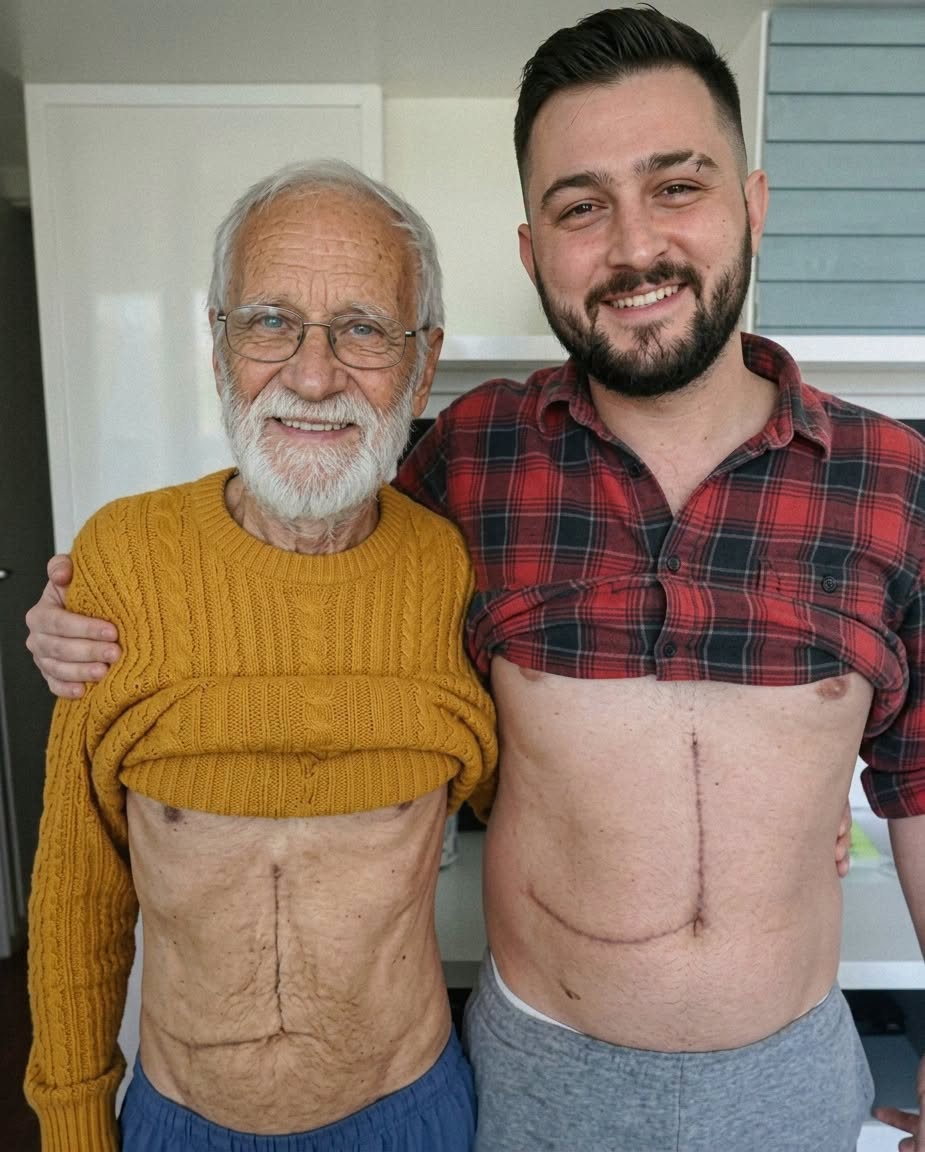
Living liver donation requires removing a substantial portion of the donor’s organ. Surgeons carefully evaluate candidates, yet possible complications include bleeding, infection, blood clots, bile leaks, reactions to anesthesia, and liver dysfunction. Serious outcomes are uncommon, but uncommon does not mean impossible. Families who hear mostly about successful transplants can be unprepared for the emotional reality when recovery does not follow the expected path.
Medical teams worked to stabilize the son while monitoring how his remaining liver responded. Recovery from a complication is rarely a simple upward line. A better morning can be followed by a difficult night, and laboratory numbers can change before relatives see a visible difference. Doctors must balance honesty about risk with the recognition that a fragile patient can still improve.
News of the family’s ordeal spread through the community. Neighbors organized meals, transportation, and assistance with everyday expenses. Former transplant patients offered encouragement, while strangers contributed to fundraising efforts. None could change the medical outcome, but practical support allowed relatives to remain near the hospital instead of worrying alone about work, food, and travel.