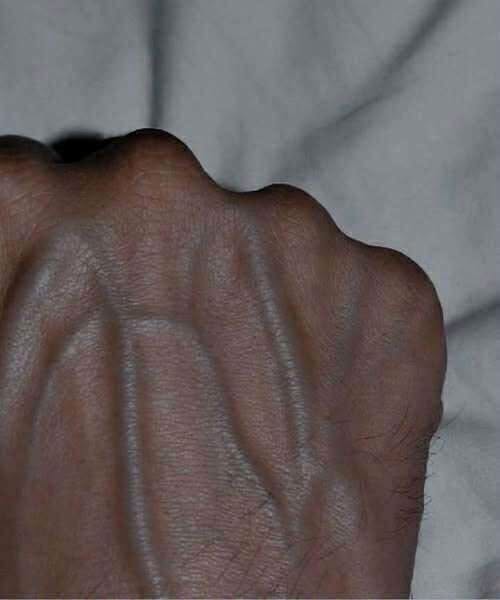
Congestive heart failure can increase venous pressure and create swelling or prominent veins in particular clinical settings, especially along with shortness of breath, fatigue, rapid weight change, or swelling in the lower body. It would be misleading to say visible hand veins mean heart failure. That diagnosis depends on a broader pattern, medical history, examination, and tests.
For a stable, painless appearance, it can be useful to notice whether heat, exercise, or position explains the change. Do not massage a suddenly painful or swollen limb when a clot is possible, and do not begin compression treatment without appropriate advice when symptoms are unexplained. Seek routine care for persistent concern and urgent care for sudden swelling, pain, warmth, or discoloration.
The hand is not displaying one universal signal. Usually, visible veins reflect normal anatomy and circumstances. The warning comes from a new, unexplained, or one-sided change and from symptoms occurring around it. Treating the whole clinical picture as important avoids both panic over a harmless feature and delay when a genuine circulation problem needs attention.