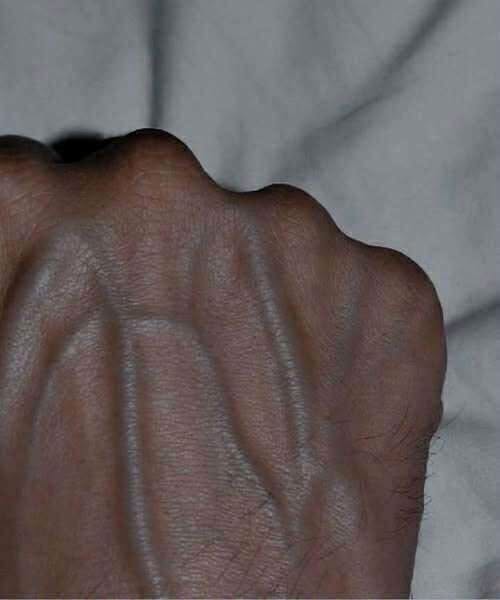
Varicose veins are swollen, twisted veins just beneath the skin and occur most often in the legs, though vein problems can affect other areas. Weak or damaged valves can allow blood to pool instead of moving efficiently toward the heart. Symptoms can include bulging blue or purple veins, aching, itching, burning, swelling, heaviness, cramps, and skin changes. Symptoms may worsen after prolonged standing or sitting.
Chronic venous insufficiency is another condition involving difficulty returning blood from the legs. It can produce swelling, aching, heaviness, skin changes, or sores that heal poorly. Visible veins alone do not prove insufficiency, and hand veins should not be used as a simple test for a problem that more commonly affects the lower limbs. A clinician considers location, history, risk factors, and associated symptoms.
Deep vein thrombosis is more urgent, but it cannot be diagnosed merely because a superficial vein is easy to see. A DVT is a clot in a deep vein, commonly in a leg and sometimes in an arm. According to public-health guidance, common symptoms in the affected limb include swelling, pain or tenderness, warmth, and redness or discoloration. Some people with DVT have no symptoms, which is another reason appearance alone is unreliable.
A clot can become life-threatening if part travels to the lungs and causes a pulmonary embolism. Sudden difficulty breathing, chest pain that worsens with a deep breath or cough, coughing blood, fainting, severe lightheadedness, or an unusually fast or irregular heartbeat require immediate medical help. These are emergency warning signs, not symptoms to monitor casually at home.
Risk context matters. Recent surgery or hospitalization, prolonged immobility, major injury, pregnancy and the period after delivery, estrogen-containing medication, cancer, older age, obesity, and a personal or family history of clots can increase concern. Anyone with new limb symptoms and relevant risk factors should contact a healthcare professional promptly rather than trying to judge a clot by vein color.