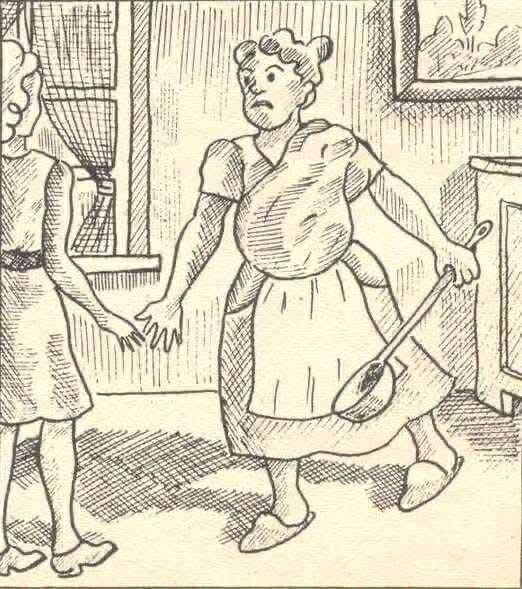
Finding the donkey quickly does not provide a medical measurement of eyesight, and taking longer does not mean that someone’s vision is poor. These puzzles test attention, pattern recognition, and willingness to change perspective as much as visual sharpness. A person may have excellent eyesight and still miss the animal because the brain remains committed to the first scene it recognized. Another viewer may spot it immediately simply because the relevant outline matches something familiar.
The answer becomes satisfying at the moment the scattered marks stop looking accidental and form one coherent animal. After that shift, it can be hard to understand how the donkey was ever hidden. This is known as a perceptual switch: the image itself stays the same, but the mind’s interpretation changes. It is the same reason many classic illusions can be seen in two different ways even though no line moves.
So if the donkey did not appear on the first attempt, use the source’s clue and turn the image upside down. Scan the newly positioned shapes slowly and look for the long ears and face before trying to trace the rest of the animal. The challenge is less about racing and more about noticing what a different viewpoint reveals. That simple change in perspective is what makes the puzzle entertaining.