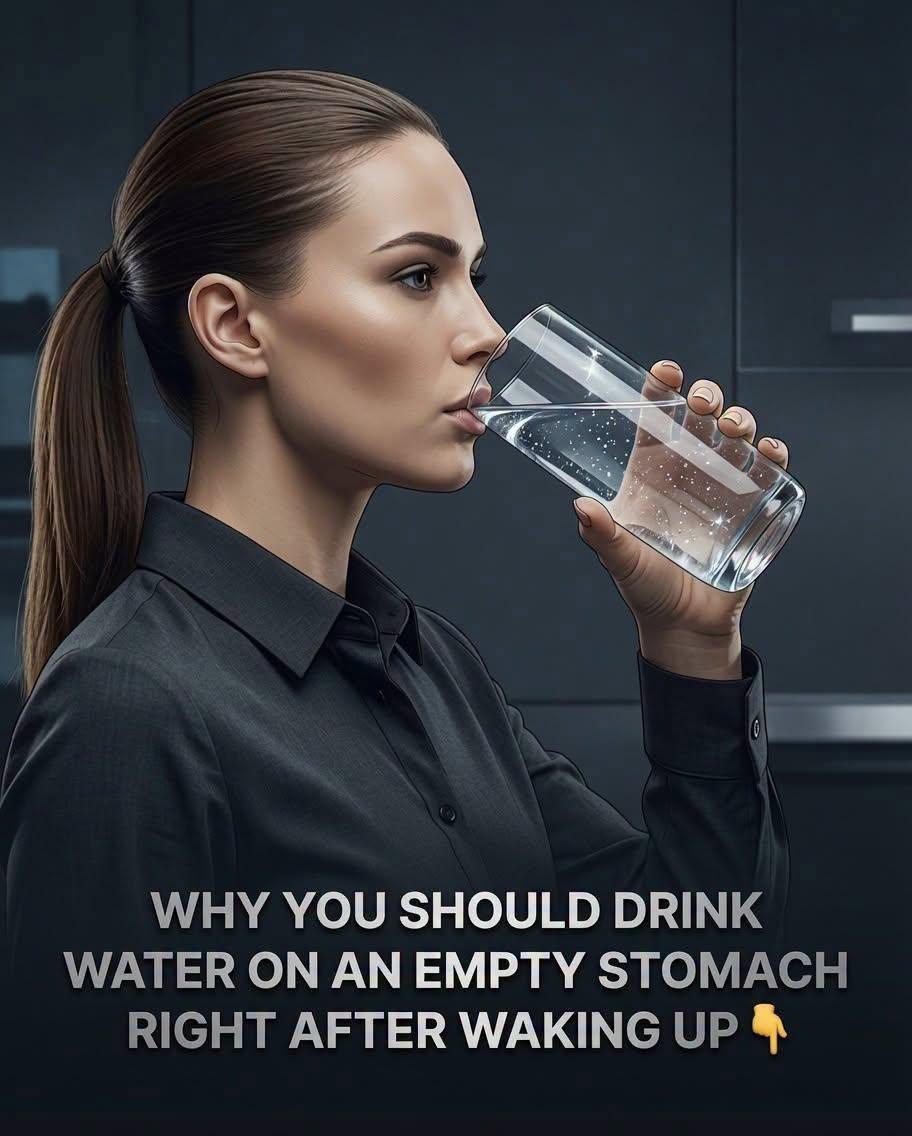
Drinking water after waking is a simple way to replace some of the fluid lost overnight through breathing and normal body processes. It can help someone begin the day hydrated, especially if they tend to forget to drink later.
Hydration supports temperature regulation, joint lubrication, circulation, and waste removal. Even mild dehydration may affect concentration, alertness, and mood, so water can be useful when morning tiredness is partly related to low fluid intake.
However, the habit is not a miracle treatment. Claims that morning water alone causes major weight loss, detoxifies the body, or dramatically increases metabolism are exaggerated. The body already has organs that manage waste, and research generally points to total daily hydration as more important than one specific drinking time.
For most healthy adults, a glass of water in the morning is safe, inexpensive, and easy to maintain. Individual needs vary with climate, activity, health, pregnancy, and medication. The real benefit comes from using the habit as the start of steady hydration throughout the day.
The subject deserves a practical reading because viral versions often remove important details. An isolated experience can be meaningful, but it does not automatically establish a universal rule. Circumstances, location, health, equipment, laws, and individual risk can change what the safest or most accurate response should be.
When safety is involved, the basic precautions are usually more valuable than a clever shortcut. Following manufacturer instructions, official warnings, medical guidance, and local regulations reduces avoidable risk. Small routine actions may feel less exciting than an internet hack, but they are supported by experience and are easier to repeat consistently.
Verification is especially important when a post includes numbers, health claims, property prices, or descriptions of an emergency. Readers should check the date, identify who originally reported the information, and look for missing conditions. A price may exclude fees, a health benefit may be modest, and an emergency-light rule may differ across jurisdictions.