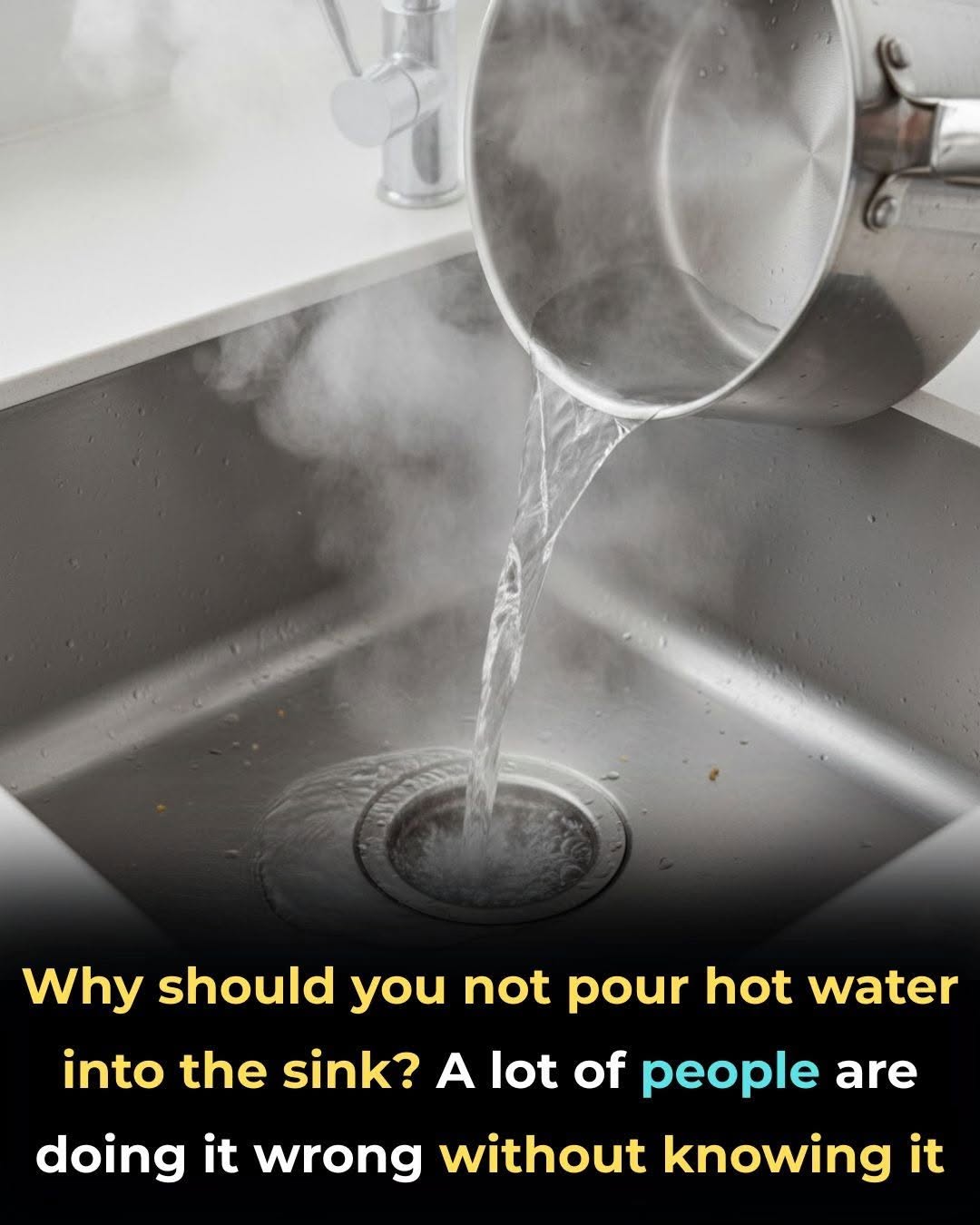
Pouring hot or boiling water down the kitchen sink may seem harmless. After all, water is liquid, and sinks are designed to handle it—right? In reality, this common household habit can cause long-term damage to your plumbing system without you even noticing. Many people unknowingly shorten the lifespan of their pipes by regularly pouring hot water down the drain.
Understanding what happens inside your plumbing can help you avoid costly repairs and unnecessary problems.
How Hot Water Affects Your Pipes
Most modern homes use PVC or plastic pipes for drainage. While these materials are durable, they are not designed to handle repeated exposure to extremely hot or boiling water. Over time, high temperatures can soften, warp, or weaken plastic pipes, leading to cracks, leaks, or misaligned joints.
Even metal pipes are not immune. Sudden temperature changes can cause expansion and contraction, stressing pipe connections and seals.
Why Grease Makes the Problem Worse
Many people pour hot water into the sink to “wash away” grease after cooking. While hot water may temporarily liquefy grease, it does not remove it completely. As the water cools further down the pipes, the grease solidifies again, sticking to pipe walls and gradually forming clogs.
This buildup is one of the most common causes of slow drains and blocked pipes in kitchens.
Hidden Damage You May Not Notice
Pipe damage caused by hot water often happens slowly and out of sight. Small cracks or weakened joints may not leak immediately but can worsen over time. By the time visible signs appear—such as water damage, bad odors, or mold—the repair costs can be significant.