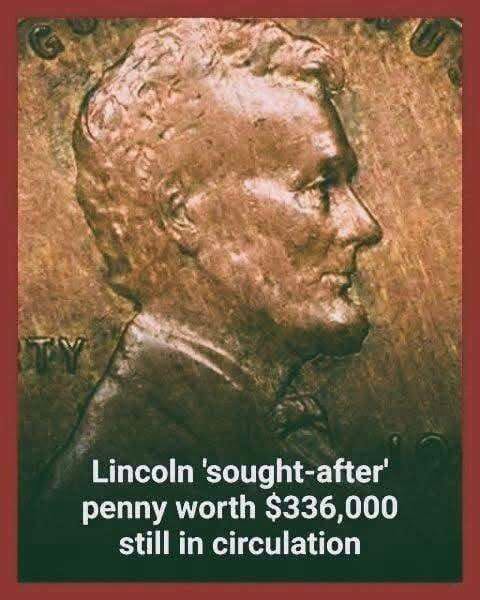
A common-looking Lincoln cent can sometimes carry an extraordinary history. One of the most famous examples is the rare 1943 bronze penny, a coin created accidentally during World War II. Authentic specimens have sold for enormous amounts, which is why collectors still examine old change and inherited coin jars hoping to find one.
The story begins with wartime demand for copper. In 1943, the United States needed the metal for military equipment and ammunition, so the Mint temporarily produced cents from zinc-coated steel. Those coins have a silver-gray appearance and are attracted to a magnet, making them noticeably different from the familiar brown copper pennies used before and after that year.
During the changeover, however, a small number of bronze blanks—known as planchets—apparently remained inside equipment at the minting facilities. When production began, those leftover blanks were fed into presses carrying 1943 dies. The resulting coins looked like ordinary bronze Lincoln cents but displayed a date that should have appeared only on steel pieces.
Only a limited number of genuine 1943 bronze cents are known. Examples have been associated with the Philadelphia, Denver, and San Francisco mints, with mint marks helping identify where particular pieces were struck. Their rarity, wartime connection, and accidental creation make them among the best-known error coins in American numismatics.