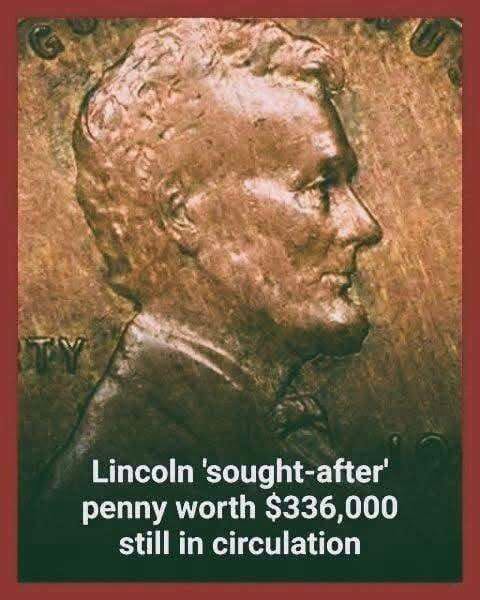
The large prices reported in headlines do not apply to every 1943 penny. Hundreds of millions of steel cents were made, and most have modest collector value depending on condition. A brown-colored coin dated 1943 also is not automatically genuine. Some steel cents have been copper-plated, while ordinary 1948 cents have been altered to make the final digit resemble a three.
A simple magnet test can provide an initial clue. A normal 1943 steel cent will usually stick to a magnet, while a bronze example will not. Weight is another important measurement: a genuine bronze cent should weigh close to the prewar bronze standard, around 3.11 grams, while a steel cent is lighter. Neither test alone proves authenticity.
Anyone who believes they found one should avoid cleaning, polishing, scratching, or chemically testing it. Cleaning can damage the surface and destroy collector value. The coin should be placed in a protective holder and evaluated by a reputable coin dealer or a recognized third-party grading service with expertise in authentication.
Professional examination is essential because valuable error coins attract counterfeits. Experts study the metal composition, weight, lettering, date shape, strike characteristics, and surface. They also compare the coin with confirmed examples. A seller’s claim or an online photograph cannot establish that a penny is worth hundreds of thousands of dollars.
The enduring appeal of the 1943 bronze cent comes from more than money. It is a physical reminder of a nation reorganizing its resources during war and of a small production mistake that survived decades. The odds of finding one are extremely low, but checking old change can still introduce people to coin collecting and American history.