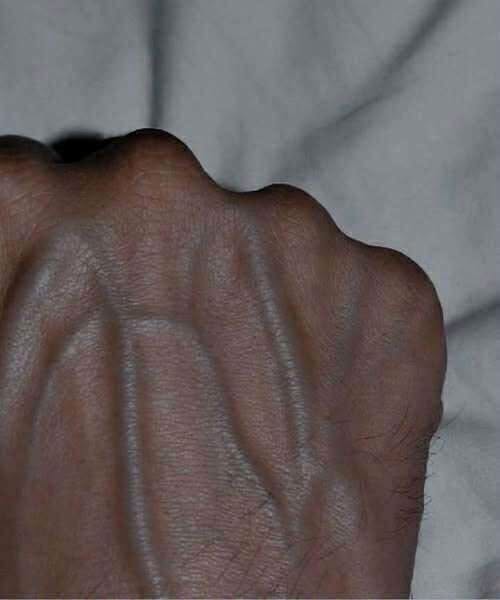
Visible veins on the hands are often a normal feature rather than a warning that something is wrong. Skin thickness, genetics, age, temperature, body composition, hydration, and exercise can all change how clearly veins show. A person who has always had prominent veins without pain, swelling, tenderness, discoloration, or loss of function usually does not need to treat appearance alone as a diagnosis.
Hands contain superficial veins close to the skin. They may look more obvious when the skin is thin or there is less tissue between the vein and the surface. Aging can make skin thinner, while exercise can temporarily increase blood flow and make veins appear fuller. Warm conditions can cause vessels near the skin to widen. After the body cools or activity ends, the appearance may become less pronounced.
The useful signal is change, especially when appearance changes together with symptoms. A vein that suddenly becomes painful, hard, red, warm, or swollen deserves medical assessment. New swelling of one arm or leg, unexplained tenderness, or skin discoloration can occur with several conditions. A photograph or online checklist cannot determine which condition is responsible because proper diagnosis may require an examination and testing.