
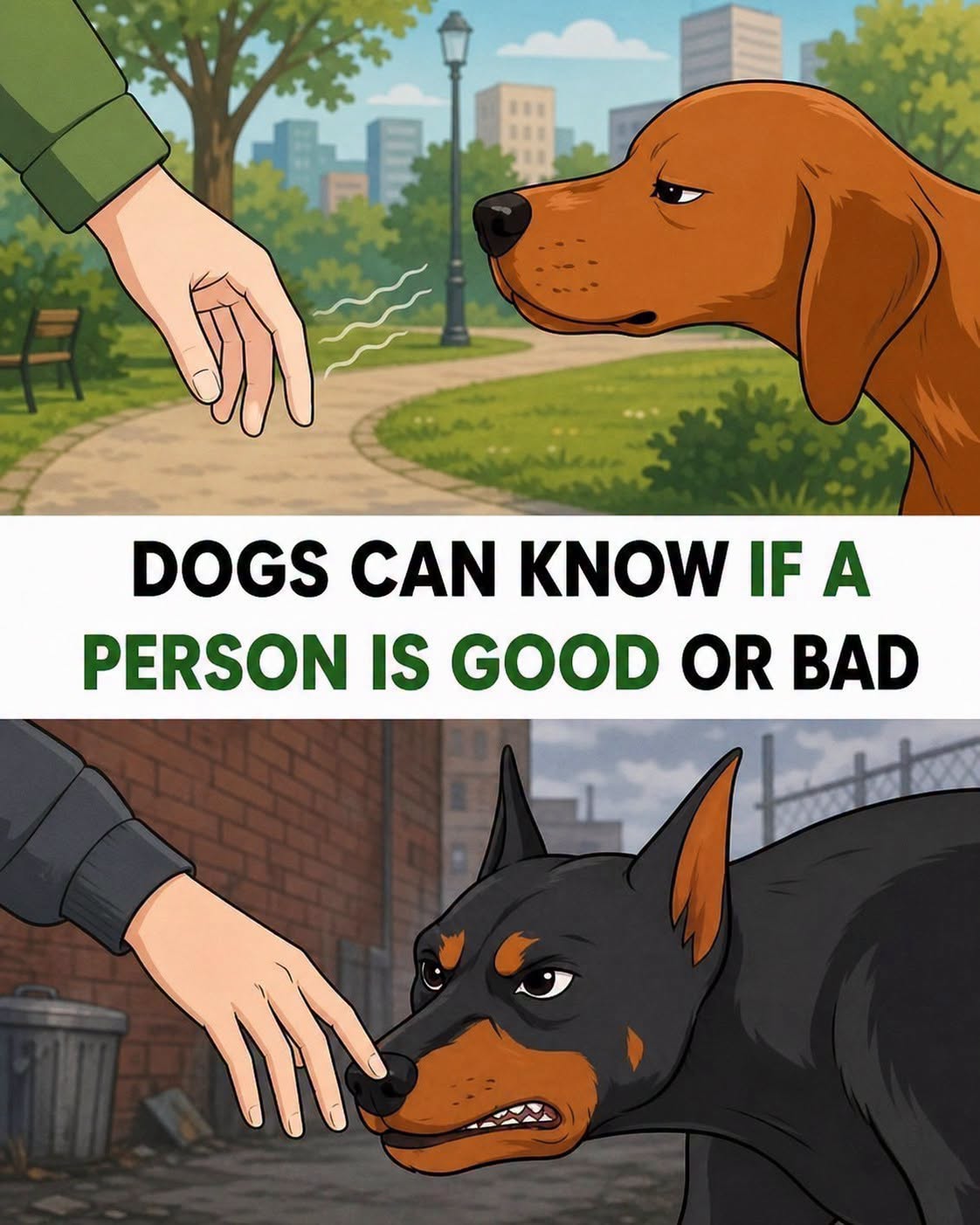
The safest response to a dog’s discomfort is neither to dismiss it nor to turn it into a dramatic accusation. Create distance, keep the leash loose if possible, and let the dog observe without being forced to interact. Ask visitors not to stare, bend over, or reach for the animal. Reward calm behavior and give the dog an easy way to leave. If fear or aggression is frequent, sudden, or intense, a veterinarian can rule out pain or illness, and a qualified behavior professional can help identify triggers.
Owners should also remember that protective behavior can be misunderstood. Barking may come from fear, frustration, excitement, territorial habits, or a lack of social experience. A quiet dog is not automatically relaxed, and a friendly dog is not automatically correct about everyone it approaches. Context matters more than any single reaction. Looking at the whole body, including the tail, ears, mouth, weight distribution, and willingness to move closer, gives a clearer picture.
So can dogs sense a good or bad person? They can sense a great deal about how a person moves, sounds, smells, and behaves. They can remember patterns and detect tension long before a human consciously notices it. What they cannot do is read a soul or deliver a reliable verdict on someone’s morality. When a dog reacts strongly, listen with curiosity, protect its space, and observe the situation carefully. The message is not necessarily that a person is bad. It is that, for reasons worth understanding, the moment does not yet feel safe to the dog.


