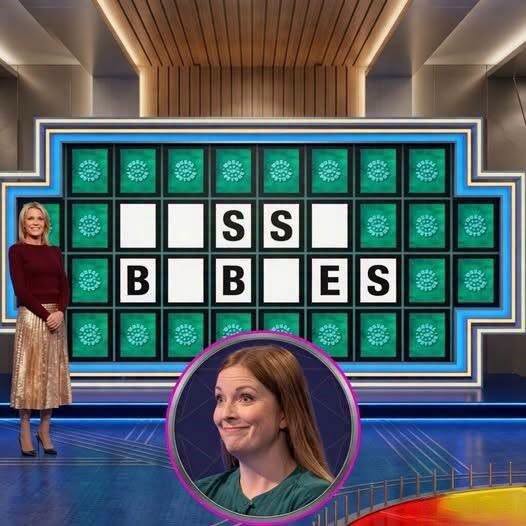
Some viewers regarded the decision as straightforward because contestants may continue guessing and correct themselves while time remains. Others found the overlap difficult to judge in real time. A buzzer, a final syllable, audience noise, and broadcast editing can make a fraction of a second feel ambiguous. That is why a formal review is useful. It applies the program’s timing standard to the recording rather than asking the loudest audience reaction to determine the result.
The close main-game score added another layer to the finish. LaPilusa had reached the final round through steady play while Tillet remained within striking distance. Holgerson was also part of a competitive field. The episode therefore did not depend on one isolated lucky moment. The Bonus Round concluded a game in which accuracy, accumulated winnings, and persistence had mattered from the beginning.
Her response also demonstrated a practical advantage under pressure: continuing to work after an error. A contestant who freezes after the first wrong guess loses the remaining seconds. LaPilusa kept processing the letters and produced a complete correction. Whether a viewer found the decision obvious or impossibly close, that persistence was essential. There would have been nothing for the judges to review if she had surrendered after the first attempt.
The official result settled the competition. Fussy babies counted, the bonus was awarded, and LaPilusa left with 55050 dollars. The sequence offered a classic game-show ending: close scores, a difficult final pattern, an initially wrong response, and a successful correction delivered at the last possible moment. The discussion afterward was understandable, but the reviewed ruling, rather than speculation about the buzzer, determined the prize.